Chainsaw Buying Guide: Where to Buy in 2026
Discover where to buy chainsaws, compare channels, and learn practical buying tips with safety-first guidance from Chainsaw Manual. This 2026 guide covers in-store, online, and brand-direct options, plus warranty, safety, and after-sale considerations.


Where to buy a chainsaw depends on reliability, price, and after-sale support. In short, compare in-store retailers, online sellers, and manufacturer direct options. In general, reputable local dealers or major hardware chains offer solid warranties and easy returns, while online retailers provide broader choices but require careful vetting of seller reputation. Chainsaw Manual suggests verifying warranty terms and safety accessories before purchase.
Where to buy: understanding channels
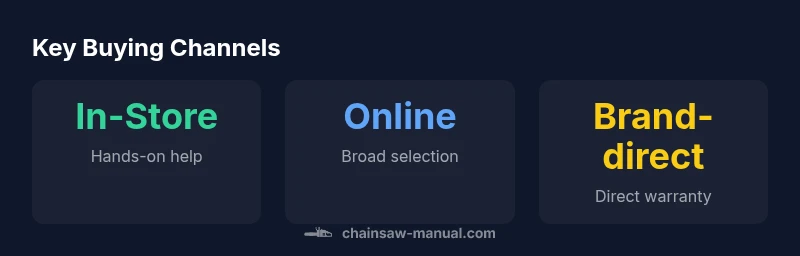
When you begin shopping for a chainsaw, the question chainsaw where to buy is central to getting the best value and a safe purchase. According to Chainsaw Manual, choosing the right channel balances price, availability, and after-sale support. The major channels include brick-and-mortar hardware retailers, dedicated saw shops, manufacturer-owned stores, big-box home centers, and reputable online retailers. Each channel has distinct strengths and potential drawbacks, so a structured approach helps you compare options without feeling overwhelmed. For most buyers, starting with a trusted local dealer or a well-known retailer provides hands-on help, a chance to inspect the unit before purchase, and a straightforward warranty path. Online options expand selection and pricing flexibility, but require diligence in vendor verification and understanding shipping, returns, and warranty coverage. If you plan specialized equipment or service, a manufacturer-owned store or local saw shop can offer expert guidance and easier access to spare parts. In all cases, align your choice with the level of support you expect after the sale, not just the upfront price. This article will guide you through practical steps to evaluate each channel.
In-store buying: what to inspect
In-store shopping lets you physically handle the chainsaw, compare models side-by-side, and test basic features. Look for build quality—check the trigger guard, chain brake, and hand guards. Inspect the bar length to ensure it matches your primary tasks, and verify that the chain is sharp and tensioned correctly. Ask staff to demonstrate starting procedures, safety features, and oiling points. Take note of included manuals, safety gear, and the presence of a clear warranty card. A good in-store experience also includes salesperson willingness to explain maintenance routines, carburetor basics, and how to identify counterfeit parts. If you need personalization (ergonomics for long sessions, reduced weight for overhead work), an experienced dealer can guide you toward a model that fits you, which reduces fatigue and improves control. Always assess the after-sale ecosystem—availability of parts, service centers, and local technicians before committing.
Online shopping: pros, cons, and safeguards
Online shopping dramatically expands options, especially for models or brands not stocked locally. The upside includes a broader range of sizes, features, and prices, plus user reviews from people with similar use cases. The risks involve shipping damage, counterfeit parts, or mismatched specifications. Mitigate these by buying from licensed retailers or authorized dealers, requesting high-resolution photos, and confirming serial numbers, model codes, and safety certification details. Read the warranty policy carefully and verify who handles repairs—you or the seller. Check the return policy and required packaging for returns to avoid penalties. Keep an eye on shipping timelines and insurance coverage for the transit. If possible, choose sellers that provide easy returns, prompt communication, and transparent documentation. A thoughtful online purchase often includes requesting a demonstration video or tutorials for key maintenance steps.
Specialty stores and brand-direct options
Specialty saw shops and manufacturer-direct stores can offer higher levels of expertise, more precise guidance on bar oil grade, chain gauge, and engine types, and easier access to genuine parts. These channels are particularly valuable for professionals, arborists, and heavy-duty users who rely on precise specifications and consistent service. Direct-from-brand buying can simplify warranty registration and simplify the process for arranging preventative maintenance, spare parts, and accessory compatibility. If you rely on service contracts or scheduled maintenance, consider channel options that guarantee genuine parts availability and trained technicians. While these outlets may carry a smaller selection of models, the expertise available can shortcut long learning curves and reduce the risk of misfit purchases.
Price, warranty, and service: channel-by-channel comparison
Understanding price and warranty across channels helps you avoid surprises after checkout. Brick-and-mortar outlets often provide immediate pickup and in-person warranty handling, but may carry fewer options in some regions. Online retailers deliver vast catalogs and customer reviews but require careful vetting of the seller’s reputation and return terms. Manufacturer-direct stores typically feature comprehensive warranty coverage and direct access to parts, though the inventory may be limited by region. Local saw shops can combine good pricing with expert advice and timely service, especially for ongoing maintenance. When evaluating price, do not chase the lowest sticker price alone; weigh total cost of ownership: maintenance intervals, spare parts availability, and the ease of obtaining professional service. A well-rounded decision balances price, warranty depth, and after-sale support.
Safety, PPE, and responsible buying practices
Safety must guide every purchase decision. Ensure the chainsaw you buy comes with up-to-date safety features, a clear operator’s manual, and access to a local service network. For PPE, include helmet, eye and ear protection, cut-resistant gloves, chainsaw chaps, and sturdy boots. When evaluating a purchase, confirm that the engine type (two-stroke or electric) matches your typical usage, and verify that you receive appropriate bar oil and a filing kit if included. Consider the retailer’s safety training resources and the availability of a certified technician for operation checks. Finally, review the return window and safety certification details to protect yourself from a model that fails to meet expected safety standards.
Quick shopping checklist and next steps
Before you buy, use a structured checklist: define your use case (felling, limbing, firewood), choose a bar length that matches the job, confirm the chain pitch and gauge, verify safety features, and check warranty terms. Compare at least two channels for price, support, and delivery options. Validate authenticity by requesting serial numbers, model codes, and official branding marks. If possible, arrange a hands-on test or video demonstration. Finally, log the purchase details, warranty registration, and the local service options to ensure smooth post-sale support.
Channel comparison for buying chainsaws
| Channel | Pros | Cons | Estimated price range |
|---|---|---|---|
| Brick-and-mortar retailer | Immediate pickup; in-person inspection | Limited stock in some regions | $180-$900 |
| Online retailer | Broad selection; easy price comparison | Shipping risk; potential counterfeit parts | $150-$1200 |
| Manufacturer-owned store | Direct warranty; authentic parts; expert guidance | Limited locations; smaller stock variety | $250-$800 |
| Farm-and-garden center / local saw shop | Local availability; hands-on help | Stock varies by season; service network may be smaller | $170-$750 |
FAQ
Where is the best place to buy a chainsaw for homeowners?
For homeowners, start with a reputable local hardware store or a dedicated saw shop where you can physically inspect models and get guidance on safety and maintenance. If you prefer convenience, choose a well-known online retailer with clear warranty terms and a generous return policy. Always ensure the seller is authorized and that you can easily access spare parts and service.
Homeowners should start with a trusted local store for hands-on help, or pick a reputable online seller with solid warranty terms. Always verify authorization and parts access.
Is online purchasing safe for chainsaws?
Online purchasing can be safe when you buy from authorized dealers or manufacturer-direct stores. Look for detailed product specs, clear warranty language, and verified seller ratings. Request high-resolution photos of the model, confirm serial numbers, and review the return policy before completing the purchase.
Online buying is safe if you stick to authorized sellers, check ratings, and read the return policy carefully.
What should I check before buying a chainsaw online or in-store?
Key checks include bar length suitability, chain pitch and gauge, engine type, safety features, and warranty coverage. Ensure the model matches your intended tasks, inspect for signs of wear, and verify that the unit includes the necessary safety gear and manuals. Confirm service options and the availability of genuine parts.
Make sure the bar length matches your tasks, verify warranty, and confirm genuine parts are available.
Are refurbished or used chainsaws a good idea?
Refurbished or used chainsaws can be risky due to unknown wear and potential hidden damage. If you consider this route, obtain full inspection reports, ask about engine hours, maintenance history, and a warranty from a reputable source. For most users, new or certified refurbished from a known retailer is safer.
Used or refurbished models can be risky; get full history and warranty if you pursue them.
How important is after-sale service when buying a chainsaw?
After-sale service is crucial for safety and longevity. Opt for retailers with reliable parts availability, easy warranty claims, and access to trained technicians. A strong service network reduces downtime and ensures timely maintenance, which is essential for peak performance and safety.
After-sale service matters a lot for safety and longevity; choose retailers with solid warranty and service networks.
Should I buy from a brand-direct store or a local dealer?
Brand-direct stores offer straightforward warranty and easier access to parts, which is beneficial for service-heavy use. Local dealers provide hands-on help, local availability, and personalized recommendations. Consider your need for immediate support versus broader selection when deciding.
Brand-direct gives direct warranty support; local dealers offer hands-on guidance and nearby service.
“A smart shopper compares channels not just on price but on support, part availability, and safety resources. The right retailer relationship can save time and reduce risk over the lifetime of the tool.”
The Essentials
- Check multiple channels to balance price and service
- Always verify warranty coverage and parts availability
- Prioritize safety features and authentic parts
- Choose a channel that offers reliable post-sale support